Menu

Thank you! Your submission has been received!
Oops! Something went wrong while submitting the form.


MUKILTEO, WA
Rosacea a chronic inflammatory skin condition that may look and behave different from one person to another. Your evaluation will focus on identifying your individual pattern of redness, flushing, inflammation, visible blood vessels, skin sensitivity, and possible triggers to determine which treatments, prescriptions, and skin-care strategies may work best for you.
BOOK NOW →CONTACT US→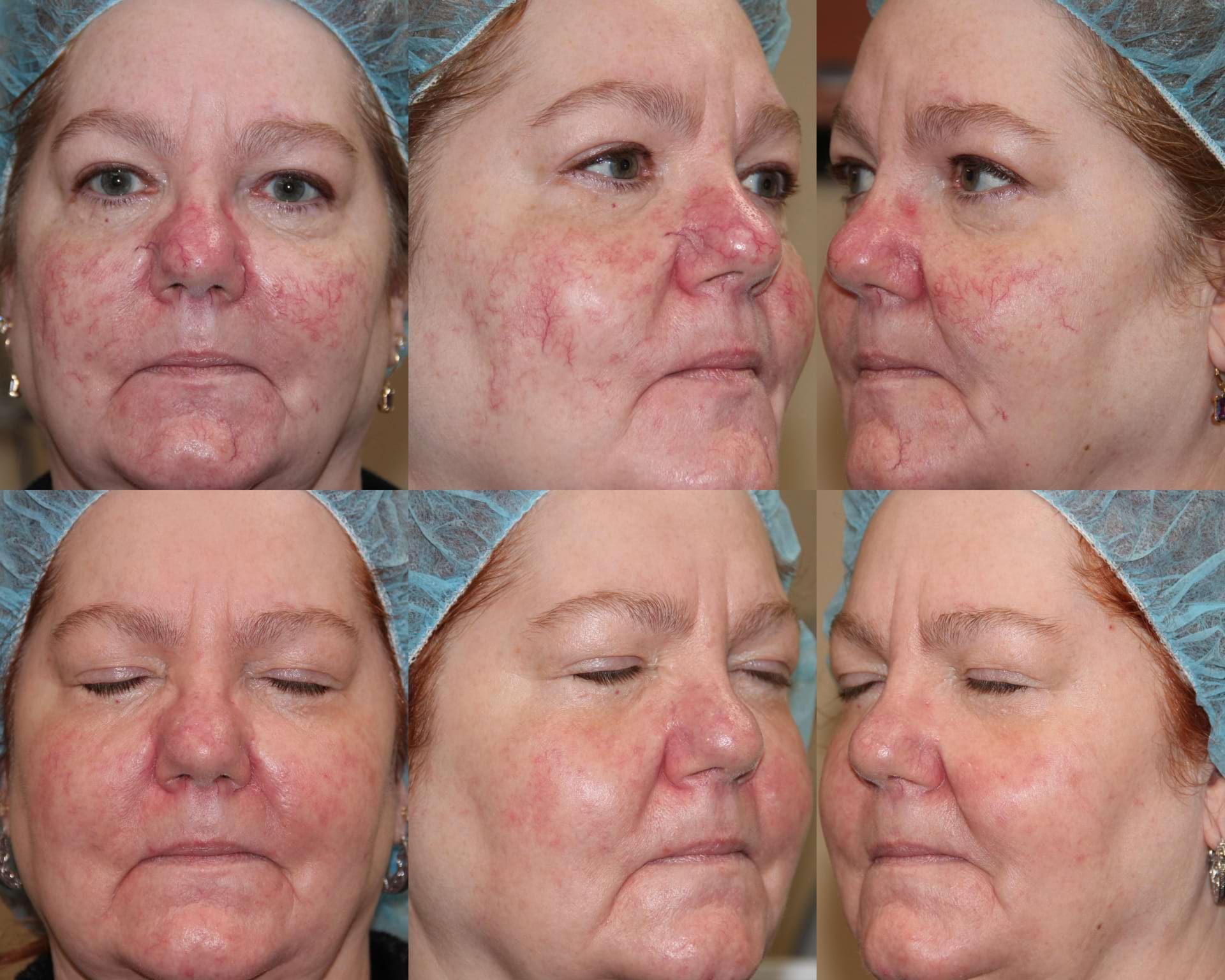
UNDERSTANDING THE CONDITION
Rosacea is a chronic inflammatory skin condition that most often affects the central face, including the cheeks, nose, chin, and forehead. It may cause persistent facial redness, episodes of flushing, visible blood vessels, acne-like bumps, burning or stinging, skin sensitivity, or thickening of the skin. Rosacea is a type of skin sensitivity that can be reactive to skin-care products, sun exposure, and other health factors influencing what you see and how your skin responds to treatment. At Hagen Health & Absolute Aesthetics, we take the time to evaluate all your symptoms and the other contributing factors before recommending a procedure or a rosacea treatment plan.
Rosacea does not look the same in everyone. Some people primarily experience flushing and persistent redness, while others develop inflammatory bumps, visible blood vessels, eye symptoms, textural changes, or a combination of features.
Symptoms can also change over time. Identifying which features are present is important because different rosacea symptoms may respond to different forms of treatment.
signs and symptoms
Rosacea often causes recurring or persistent changes in the central face. Common signs and symptoms may include:
Not every episode of facial redness is rosacea. Acne, dermatitis, medication effects, sun damage, allergic or irritant reactions, and other medical or skin conditions can sometimes produce similar symptoms. An evaluation can help determine and diagnose what is contributing to the changes in your skin.
CAUSES & TRIGGERS
The exact cause of rosacea is not fully understood. Current evidence suggests that inflammation, changes in the skin's immune response, vascular reactivity, genetics, environmental exposures, and other biological factors may contribute.
People with rosacea may also notice that certain exposures or activities make their symptoms worse. Common rosacea triggers can include sun exposure, heat, temperature changes, exercise, emotional stress, hot beverages, alcohol, spicy foods, and irritating skin-care products.
Triggers vary considerably between individuals. Identifying your own pattern can be more useful than trying to avoid every commonly reported rosacea trigger.
Assessment
A Rosacea diagnosis follows an examination and evaluation of your health history, skin and the pattern history of your symptoms. The evaluation may include where redness occurs, whether it is persistent or episodic, the presence of visible blood vessels or inflammatory bumps, skin sensitivity, eye symptoms, products and medications you use or have used in the past, sun exposure, and factors that appear to trigger flares.
I also consider other conditions that can resemble rosacea or contribute to facial redness. The goal is to understand what is causing the changes you are seeing before deciding how they should be treated.
Laboratory testing is not routinely required to diagnose rosacea, but additional evaluation may be appropriate when the history or examination suggests another possible cause.
Individualized approach
Rosacea can present in different ways with one or more symptoms that may include inflammatory bumps, persistent background redness, flushing, visible blood vessels, skin-barrier irritation, and eye symptoms. Because different presentations require different approaches, treatment is based on the specific features affecting your skin rather than a one-size-fits-all plan.
I separate these features during your rosacea evaluation and develop a treatment plan based on what is actually occurring in your skin.
treatment options
Rosacea can be treated and managed, although there is currently no permanent cure. Treatment depends on the symptoms and features present and may involve more than one approach.
Topical and systemic medications are used to treat inflammatory lesions. IPL/Photofacials and vaacular lasers are used to address the visible facial blood vessels and extural skin changes that rosaceas is known to cause.
Depending on your evaluation, a rosacea treatment plan may include prescription topical or oral medications, gentle skin care, trigger reduction and sun-protection strategies, and treatment of redness or visible blood vessels with IPL/Photofacial treatments.
The purpose of combining treatments is not to treat every patient the same way. It is to match each part of the treatment plan to the rosacea features that are actually present.
Differential Diagnosis
Facial redness is a symptom of may different types of skin conditions. Persistent facial redness should be evaluated to determine the cause.
Rosacea may overlap with or resemble acne, dermatitis, pre-cancerous lesions, sun-related skin changes, irritation from skin-care products, medication reactions, and other conditions. Redness can also include different components within the same person, such as inflammation, flushing, persistent background redness, and visible blood vessels.
An evaluation of your health history and symptoms is necessary for determining a diagnosis and appropriate treatment.
Mechanism of treatment
Different rosacea treatments target different parts of the condition.
Prescription medications may reduce inflammatory pathways and help control bumps, pustules, or other inflammatory features. Gentle skin care can support the skin barrier and reduce avoidable irritation. Trigger management and sun protection can help reduce preventable flares.
For appropriate vascular rosacea, IPL or vascular laser treatment directs light energy toward hemoglobin within visible blood vessels and areas of persistent vascular redness. These treatments address vascular features rather than every component of rosacea.
This is why identifying the dominant rosacea features before treatment is important.
Goals for treatment
Rosacea a chronic condition that can be managed effectively with the right combination of treatments, but treatment does not permanently eliminate the tendency to develop symptoms. and currently there is no know cure.
The goal is to reduce the rosacea symptoms that are affecting you, which may include fewer flares, less persistent facial redness, fewer inflammatory bumps, reduced visibility of facial blood vessels, improved skin comfort, and a skin-care routine that you can maintain.
Long-term management may be needed because symptoms recur.
progress tracking
Improvement is evaluated according to the previous and current symptoms you are ecperiencing along with the treaments. We may compare the frequency and severity of flushing, baseline facial redness, visible blood vessels, inflammatory bumps, burning or sensitivity, skin-care tolerance, and photographs when useful.
Your treatment plan can then be adjusted according to which rosacea features improve, which remain active, and how well your skin tolerates treatment.
Self care corner
Daily skin care and trigger management are important parts of rosacea care. Use gentle products, daily sunscreen, prescribed medication, and trigger reduction as directed. Report eye pain or vision symptoms, significant swelling, blistering, or a worsening reaction promptly.
Avoid scrubbing, aggressive exfoliation, and products that repeatedly burn, sting, or irritate your skin. If you notice predictable rosacea flares after certain exposures, identifying those patterns can help you decide which triggers are practical to modify.
If prescription medication is part of your treatment plan, use it according to the instructions provided. After IPL, laser, or another procedure, follow the treatment-specific aftercare instructions you receive rather than treating the skin as you would during your normal routine.
Provider note
Rosacea can be physically uncomfortable, and I know that persistent facial redness, visible blood vessels, flushing, and breakouts can also make you feel self-conscious about your skin. I want you to feel as good about how your skin looks as you do about how you feel.
My background in medical dermatology, laser medicine, and medical aesthetics allows me to look at rosacea from both a medical and an aesthetic perspective. I can diagnose and treat the underlying skin condition while also addressing concerns such as persistent redness and visible facial blood vessels. Depending on what I see during your evaluation, your care may include prescription treatment, skin-care recommendations, IPL or laser treatment for appropriate vascular features, and ongoing monitoring.
My goal is to learn about what is happening with your skin, explain your options clearly, and develop an individualized treatment plan that you are in aligment with.
— Elizabeth Hagen, ARNP
Your pathway
We perform a skin examination to determine distribution and pattern of redness, visible vessels, or bumps. As well as conduct thorough review your of your history and current symptoms, products and medications, sun exposure, possible triggers, eye symptoms.
A combination of topical or oral medication, IPL/Photofacial and skin care products may be recommended. to reduce inflammation, calm active irritation, and support skin-barrier function
A series of IPL or vascular laser treatment is recommended for persistent facial redness or visible blood vessels, with additional treatment or maintenance based on your response and recurrence of symptoms
"I love Elizabeth! She’s very kind and caring, always checking on me while doing laser. She’s very funny and makes each visit so great!"
M.O. Source: Vagaro
"I have had just 3 appointments, and I can see amazing results, Elizabeth has quality training to compare to my prior experience. I would definitely recommend Elizabeth!!!"
A.T. Source Yelp
"I started seeing Elizabeth over the summer time for my laser hair removal. I had been looking for someone to do my laser for quite sometime."
L.B. Source: Google
Recommended Treatments
Schedule a personalized consultation to review your concerns, goals, and appropriate treatment options.
BOOK NOW →Contact Us →
Serving Mukilteo, Everett, Lynnwood, Edmonds, Mill Creek, Whidbey Island & Snohomish County
* All information subject to change. Images may contain models. Individual results are not guaranteed and may vary.