MUKILTEO, WA

PCOS / PMOS Treatment in Mukilteo, WA

Individualized evaluation and long-term care for PCOS/PMOS — covering cycles, hormones, metabolic health, skin, and unwanted hair — in Mukilteo, WA.

BOOK NOW →CONTACT US→
Woman outdoors with her head tilted back and hair blowing in the wind, representing PCOS/PMOS hormonal and metabolic care at Hagen Health & Absolute Aesthetics in Mukilteo, WA.

Choose Hagen Health & Absolute Aesthetics

Because PCOS Is a Metabolic Hormonal Condition

If you've been told you have polycystic ovaries, irregular periods that never settled into a rhythm, acne that doesn't respond to typical treatment, hair growth on the face, chest, abdomen or back in places you don't want, or hair thinning or hair loss on your head — you may be dealing with PCOS, now clinically renamed PMOS (Polyendocrine Metabolic Ovarian Syndrome). The name changed in 2026 because the old one was misleading: most people with this condition don't actually have abnormal ovarian cysts, and the diagnosis was never really about the ovaries alone. It's a hormonal and metabolic condition that can touch your cycle, your skin, your hair, your weight, your blood sugar, and your mood, often for years before anyone connects the dots.

At Hagen Health, I don't treat PCOS/PMOS as a single problem with a single prescription. I look at the full pattern — your cycle history, androgen-related symptoms, metabolic markers, family history, and what matters most to you — and build a plan around it. For some patients that means cycle regulation and skin care. For others it's metabolic management, hair removal, fertility-adjacent referral, or all of the above. This is exactly the kind of condition that benefits from a practice built around hormones, dermatology, weight management, and hair removal under one provider, because PCOS/PMOS rarely stays in one lane.

UNDERSTANDING THE CONDITION

What PCOS/PMOS Actually Is

PCOS affects an estimated 1 in 10 to 1 in 8 women of reproductive age, making it one of the most common hormonal conditions in the country — and one of the most under-recognized, since symptoms are frequently dismissed individually rather than connected as one pattern.

The condition involves a cycle of hormonal disruption: the ovaries and adrenal glands produce higher levels of androgens (hormones like testosterone), which can interfere with regular ovulation. Irregular ovulation disrupts the normal rhythm of estrogen and progesterone, which affects the menstrual cycle. Many people with PCOS/PMOS also have insulin resistance, which itself can raise androgen levels further — creating a self-reinforcing cycle that explains why the condition rarely presents as just one symptom.

A note on the name: why this page says “PMOS”

If you've been told you have PCOS, you'll notice this page also uses PMOS (Polyendocrine Metabolic Ovarian Syndrome). That's not a different condition, and it isn't a typo. In May 2026, endocrinology and reproductive medicine societies worldwide — including the Endocrine Society and the authors of the International PCOS Guideline — formally renamed the condition after a multi-year global consensus process.

The reason is worth knowing: “Polycystic Ovary Syndrome” put the focus on the ovaries and on cysts, but most people with this condition don't actually have true ovarian cysts, and that ultrasound finding has never been required for diagnosis. What's actually happening involves multiple hormone systems and metabolic health — which is exactly what the new name describes. How the condition is diagnosed and treated hasn't changed, only the name. Both terms are in active use during the current transition period, so we use them together here — and you'll see “PCOS” and “PMOS” both throughout this page.

Importantly, the ovarian ultrasound finding that gave the old name its name — multiple small follicles on the ovaries — is not required for diagnosis, isn't a cyst in the medical sense, and doesn't need to be present for someone to be significantly affected by this condition.

signs and symptoms

Recognizing the Pattern

PCOS/PMOS shows up differently from person to person, and many patients have lived with individual symptoms for years — treated separately by different providers — before anyone connects them into one diagnosis. The symptoms generally cluster into four categories:

Cycle and reproductive changes

  • Irregular, infrequent, or unpredictable periods
  • Cycles longer than 35 days, or fewer than 8–9 periods a year
  • Heavy or prolonged bleeding when periods do occur
  • Difficulty conceiving, related to irregular or absent ovulation

Skin and hair changes (androgen-related)

  • Persistent acne, often along the jawline, chin, and lower face, or on the chest and back
  • Hirsutism — coarse, dark hair growth on the face, chest, abdomen, or back
  • Androgenic hair thinning at the scalp, particularly at the crown or part line
  • Acanthosis nigricans — velvety, darkened skin at the neck, underarms, or skin folds, associated with insulin resistance
  • Skin tags, often in the same areas

Metabolic changes

  • Weight gain, or difficulty losing weight despite consistent effort
  • Increased abdominal weight specifically
  • Fatigue or energy crashes, especially after meals
  • Sugar or carbohydrate cravings
  • Elevated blood pressure or cholesterol on routine labs

Mood and quality of life

  • Anxiety or depression, which occur at meaningfully higher rates in PCOS/PMOS
  • Sleep disruption, including a higher risk of sleep apnea independent of weight
  • Frustration or loss of confidence from years of unexplained symptoms

Not everyone has symptoms from every category — some people have primarily cycle and metabolic symptoms with clear skin, while others have significant acne and hair changes with regular periods. That variability is part of why PCOS/PMOS is frequently missed or misdiagnosed for years.

CAUSES & TRIGGERS

What Drives PCOS/PMOS

PCOS/PMOS doesn't have one single cause — it's understood as a condition with genetic, hormonal, and metabolic contributors that interact and reinforce each other. Understanding your own pattern of contributing factors is part of building a treatment plan that actually fits you.

Known and suspected contributors include:

  • Genetic and family-history factors — PCOS/PMOS runs in families, and having a mother or sister with the condition raises your own likelihood
  • Insulin resistance — present in a majority of patients regardless of body size, and a major driver of elevated androgen production
  • Excess androgen production from the ovaries, adrenal glands, or both
  • Chronic low-grade inflammation, which research increasingly links to both the hormonal and metabolic features
  • Weight and body composition — can both contribute to and be affected by the hormonal pattern, which is why this isn't a simple cause-and-effect relationship
  • Prenatal and early-life factors under ongoing research

It's important to say clearly: PCOS/PMOS is not caused by anything you did. Having overweight or obesity does not cause PCOS/PMOS, and having a normal weight does not rule it out — a meaningful percentage of patients with this condition are lean. The insulin resistance and androgen excess that define the condition can occur independent of body weight, though weight can influence how symptoms present and respond to treatment.

Assessment

How PCOS/PMOS Is Evaluated

PCOS/PMOS is diagnosed using the Rotterdam criteria, which require at least two of the following three findings, after other conditions that can mimic PCOS/PMOS (thyroid dysfunction, elevated prolactin, and other causes of androgen excess) have been reasonably excluded:

  1. Irregular or absent ovulation, most often reflected as irregular or infrequent periods
  2. Clinical or laboratory evidence of excess androgens — hirsutism, persistent acne, or elevated androgen levels on bloodwork
  3. Polycystic ovarian morphology on ultrasound, or an elevated AMH (anti-Müllerian hormone) level

Notably, when irregular cycles and clinical signs of excess androgens are both already present, ultrasound isn't required to confirm the diagnosis — a detail that surprises many patients who assumed an ultrasound was mandatory.

Your evaluation may include:

  • A detailed history of your menstrual cycle, symptom timeline, and family history
  • Physical evaluation for signs of excess androgens (hair growth pattern, acne, scalp changes, acanthosis nigricans)
  • Laboratory testing, which may include total and free testosterone, thyroid function, prolactin, and other hormone levels depending on your presentation
  • Metabolic screening, including a fasting glucose or oral glucose tolerance test, and a lipid panel
  • Blood pressure assessment
  • Screening questions for mood, sleep quality, and disordered eating risk, since these are recognized as part of the condition's full picture
  • Pelvic ultrasound, when clinically indicated rather than automatically ordered for everyone

The goal of evaluation isn't to run a generic panel — it's to confirm the diagnosis accurately, rule out conditions that mimic it, and establish a baseline for the metabolic and cardiovascular risk factors that matter for your long-term health.

Individualized approach

Your PCOS/PMOS Doesn't Look Like Anyone Else's

No two patients come in with the same priorities. One patient's main concern is irregular cycles and future fertility. Another's is facial hair growth and acne that's affected their confidence for a decade. A third is focused on insulin resistance and family history of diabetes. All three may meet criteria for the same diagnosis, and all three need different treatment plans.

At Hagen Health, your plan reflects what's actually driving your symptoms and what matters most to you — not a standardized PCOS/PMOS protocol. That might mean cycle regulation now with fertility-focused care coordinated later, metabolic management alongside dermatologic treatment, or a combination of hormone therapy, laser hair removal or electrolysis, and medical weight management working together rather than as separate, disconnected appointments. Because this practice already covers hormone therapy, dermatology, medical weight loss, and hair removal, your PCOS/PMOS care doesn't have to be split across four different offices.

treatment options

Building a Plan Around What You Need

Treatment is individualized, and most patients benefit from more than one approach working together:

Cycle and hormonal regulation

  • Combined hormonal contraceptives (pill, patch, or ring) — first-line for cycle regulation and reducing androgen-related symptoms in patients not currently trying to conceive
  • Progestin therapy for patients who need cycle regulation but can't or don't want combined hormonal methods
  • Anti-androgen medications (such as spironolactone) for hirsutism or acne that hasn't responded adequately to hormonal therapy

Metabolic management

  • Metformin, particularly for patients with insulin resistance or a BMI in the overweight/obesity range
  • GLP-1 or dual GIP/GLP-1 therapy when clinically appropriate, coordinated through our Medical Weight Loss care
  • Individualized nutrition and activity strategies, without a one-size-fits-all diet prescription — no single diet has been shown to outperform others for PCOS/PMOS specifically

Skin and hair

  • Topical and oral acne treatment tailored to hormonal acne patterns
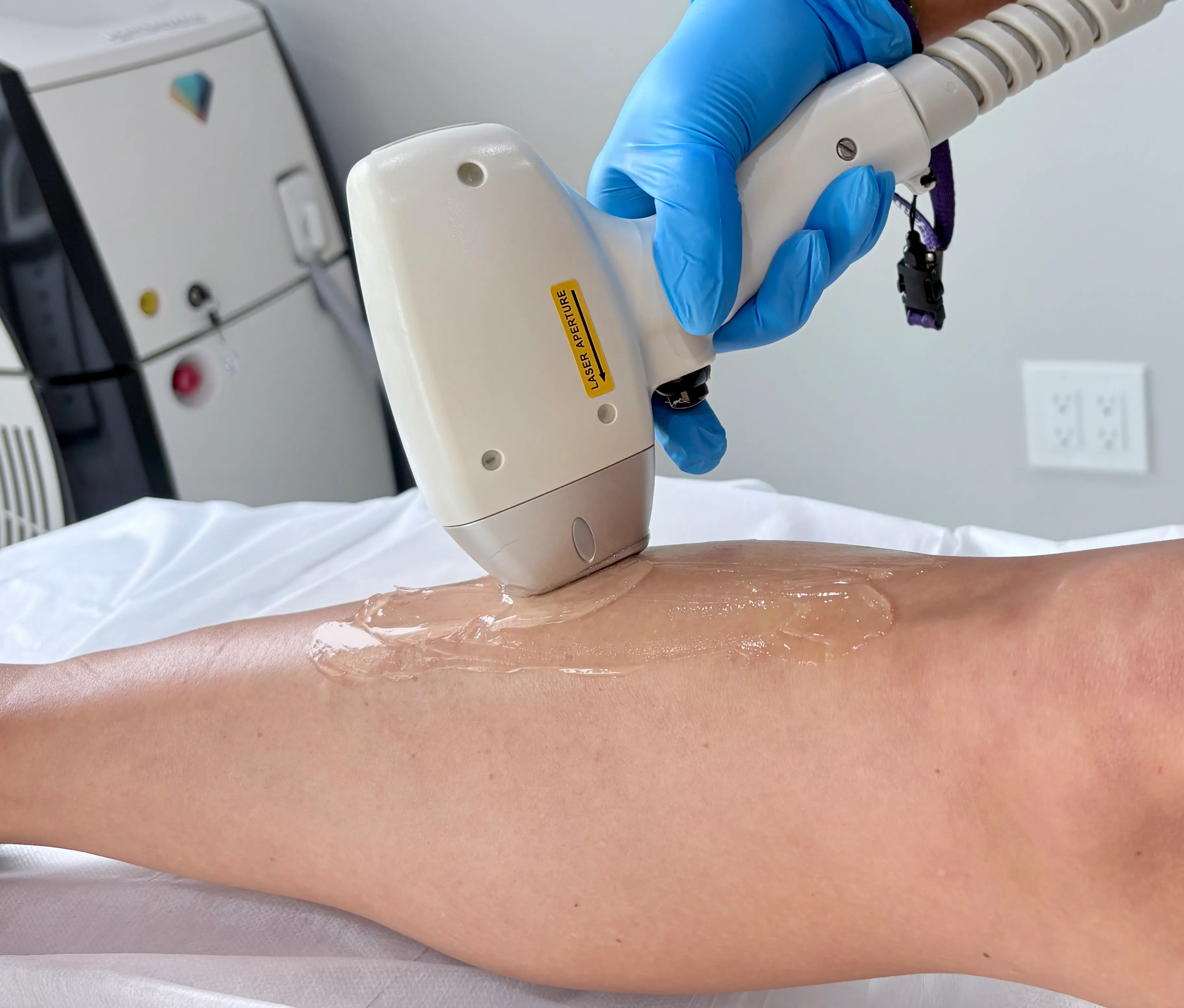
  • Laser hair removal or electrolysis for unwanted facial and body hair — effective for reducing hair growth and the psychological burden that comes with it, and something we provide directly
  • Treatment approaches for androgenic hair thinning

Fertility-related care

  • For patients trying to conceive, evaluation and initial management of ovulatory dysfunction, with coordinated referral to reproductive endocrinology for ovulation induction medication, monitoring, or IVF when that level of care is appropriate

Not every patient needs every category — your plan is built around your goals, your labs, and what's realistic for you to maintain long-term.

Differential Diagnosis

Who Should Be Evaluated

You don't need to meet every symptom on a checklist to be worth evaluating. Consider scheduling an evaluation if you have:

  • Periods that are irregular, infrequent, or absent, especially if this has been a lifelong pattern rather than a recent change
  • Persistent acne that hasn't responded to standard treatment, particularly along the jawline or chin
  • New or worsening facial or body hair growth
  • Scalp hair thinning without another clear cause
  • Difficulty losing weight despite consistent effort, or unexplained weight gain
  • A family history of PCOS/PMOS, type 2 diabetes, or early cardiovascular disease
  • Difficulty conceiving
  • Previous PCOS/PMOS diagnosis without ongoing management — it's common for people to be diagnosed once, in their teens or twenties, and never receive follow-up care since

Certain situations call for more urgent evaluation — heavy, prolonged, or very frequent bleeding; symptoms of significantly elevated blood sugar; or signs that suggest a cause other than PCOS/PMOS, such as very rapid-onset hair growth or virilization, which warrants prompt evaluation for other hormone-producing conditions. If your symptoms feel severe or are changing quickly, please don't wait for a routine appointment — contact the office directly.

Mechanism of treatment

How Treatment Actually Helps

Most PCOS/PMOS treatment works by interrupting the self-reinforcing cycle at the center of the condition, rather than treating each symptom in isolation.

Combined hormonal contraceptives regulate the cycle and lower circulating androgens by increasing a protein (SHBG) that binds testosterone, making less of it biologically active — which is why they help acne and hair growth as well as cycle regularity. Metformin improves how the body responds to insulin, which in turn can lower androgen production, since insulin resistance and elevated androgens fuel each other. Anti-androgen medications block androgen receptors directly, reducing new hair growth and improving acne over time, though existing hair typically requires a separate approach like laser or electrolysis to actually remove it. GLP-1/GIP therapies work on appetite regulation and insulin sensitivity, addressing the metabolic side of the cycle rather than the hormonal side directly — which is why metabolic and hormonal treatments are often paired rather than used alone.

Goals for treatment

What Success Looks Like

Success with PCOS/PMOS looks different depending on what brought you in. Depending on your priorities, your goals may include:

  • Regular, predictable menstrual cycles
  • Reduction in acne, hair growth, or hair thinning
  • Improved insulin sensitivity and metabolic markers
  • A clear plan for weight management that isn't guesswork
  • Reduced long-term risk of type 2 diabetes and cardiovascular disease
  • A confirmed diagnosis and understanding of your own pattern, after years of uncertainty
  • A coordinated path toward fertility care, when that's part of your goals
  • Improved mood, sleep, and overall quality of life

These goals aren't mutually exclusive, and they can shift over time — a patient focused on cycle regulation in their twenties may return years later focused on fertility, then again later focused on long-term metabolic health. Ongoing care means your plan evolves with you rather than staying frozen at your first visit.

progress tracking

PCOS/PMOS Is Managed, Not Cured — Ongoing Follow-Up Matters

PCOS/PMOS is a chronic hormonal condition, which means care doesn't end once symptoms improve — it shifts into ongoing monitoring. Follow-up may track your cycle pattern, weight and body composition trends, blood pressure, glucose and lipid panels on a periodic basis, medication tolerance and effect, and how your skin and hair are responding to treatment.

Because insulin resistance and cardiovascular risk factors tend to increase gradually over time with this condition, periodic metabolic re-screening matters even when you feel well — current guidance recommends reassessing glucose regulation every one to three years depending on individual risk factors, along with annual blood pressure checks. Treatment may need to be adjusted as your life changes — a new pregnancy goal, a new diagnosis, perimenopause, or simply a change in what's bothering you most — rather than staying on the same plan indefinitely.

Self care corner

Supporting Your Treatment Day to Day

Lifestyle strategies don't replace medical treatment for PCOS/PMOS, but they support it — and matter whether or not medication is part of your plan. What helps most is individual, but common supportive strategies include:

  • Consistent movement, including resistance training, which can improve insulin sensitivity independent of weight change
  • Eating patterns that stabilize blood sugar — adequate protein and fiber, and attention to how refined carbohydrates affect your energy and cravings
  • Prioritizing sleep, since poor sleep worsens both insulin resistance and androgen levels
  • Stress management, given the bidirectional relationship between chronic stress and hormonal regulation
  • Skin care routines appropriate for hormonal acne, used alongside — not instead of — medical treatment
  • Tracking your cycle, symptoms, and triggers, which gives real information for follow-up visits rather than relying on memory

There's no single “PCOS diet” proven superior to others, and restrictive or extreme approaches tend to backfire over time. The most effective habits are the ones you can actually sustain.

Provider note

PCOS/PMOS is one of the conditions I see people carry the longest before getting real answers — sometimes a decade or more of being told their labs are “normal” while their symptoms clearly aren't. My goal isn't to hand you a standard prescription. It's to understand your specific pattern and build a plan that addresses what's actually affecting your life, whether that's your cycle, your skin, your weight, or all three.

— Elizabeth Hagen, ARNP

Saftey Note

Hormonal and anti-androgen medications require review of your personal and family medical history before starting — including clotting risk, blood pressure, migraine history, and liver function, depending on the medication. Anti-androgen medications require reliable contraception if there's any chance of pregnancy, due to risk to a developing fetus. Metformin and GLP-1/GIP medications have their own screening and monitoring requirements. All medications are reviewed against your specific health history, current medications, and lab findings before being prescribed, with follow-up to monitor tolerance and effect. Do not start, stop, increase, decrease, share, or obtain any PCOS/PMOS-related prescription medication outside an appropriate clinician-patient relationship.

Your pathway

Evaluation & History

We review your cycle history, symptoms, family history, and any prior labs or diagnoses.

Testing & Diagnosis

Targeted labs and, if needed, imaging confirm the diagnosis and rule out mimicking conditions.

Individualized Plan

We build a plan around your priorities, with follow-up to adjust as your response and goals evolve.

Testimonials

"Elizabeth is informative, well trained and offers many skin care services. I like her in home facility as it provides a comfortable, relaxing environment which you dont get in office clinics."

A.V. Source: Google

"Best there is!"

E.R. Source: Vagaro

"I have had just 3 appointments, and I can see amazing results, Elizabeth has quality training to compare to my prior experience. I would definitely recommend Elizabeth!!!"

A.T. Source Yelp

All Reviews

REFERENCES

Sources & Further Reading

  1. Teede HJ, et al. Recommendations From the 2023 International Evidence-based Guideline for the Assessment and Management of Polycystic Ovary Syndrome. Journal of Clinical Endocrinology & Metabolism, 2023.
  2. Teede HJ, et al. Polyendocrine Metabolic Ovarian Syndrome, the New Name for Polycystic Ovary Syndrome: A Multistep Global Consensus Process. The Lancet, 2026.
  3. Endocrine Society. Polyendocrine Metabolic Ovarian Syndrome: New Name to Improve Diagnosis and Care of Condition Affecting 170 Million Women Worldwide. 2026.
  4. American College of Obstetricians and Gynecologists (ACOG). Polycystic Ovary Syndrome (PCOS).
  5. American Society for Reproductive Medicine (ASRM). Practice Guidance: Recommendations From the 2023 International Evidence-based Guideline for PCOS.

Ready to Talk About PCOS/PMOS?

Schedule an evaluation to understand your symptoms, confirm your diagnosis, and build a plan that fits your goals — whether that's cycle regulation, metabolic health, skin and hair, or fertility planning.

BOOK NOW →Contact Us →